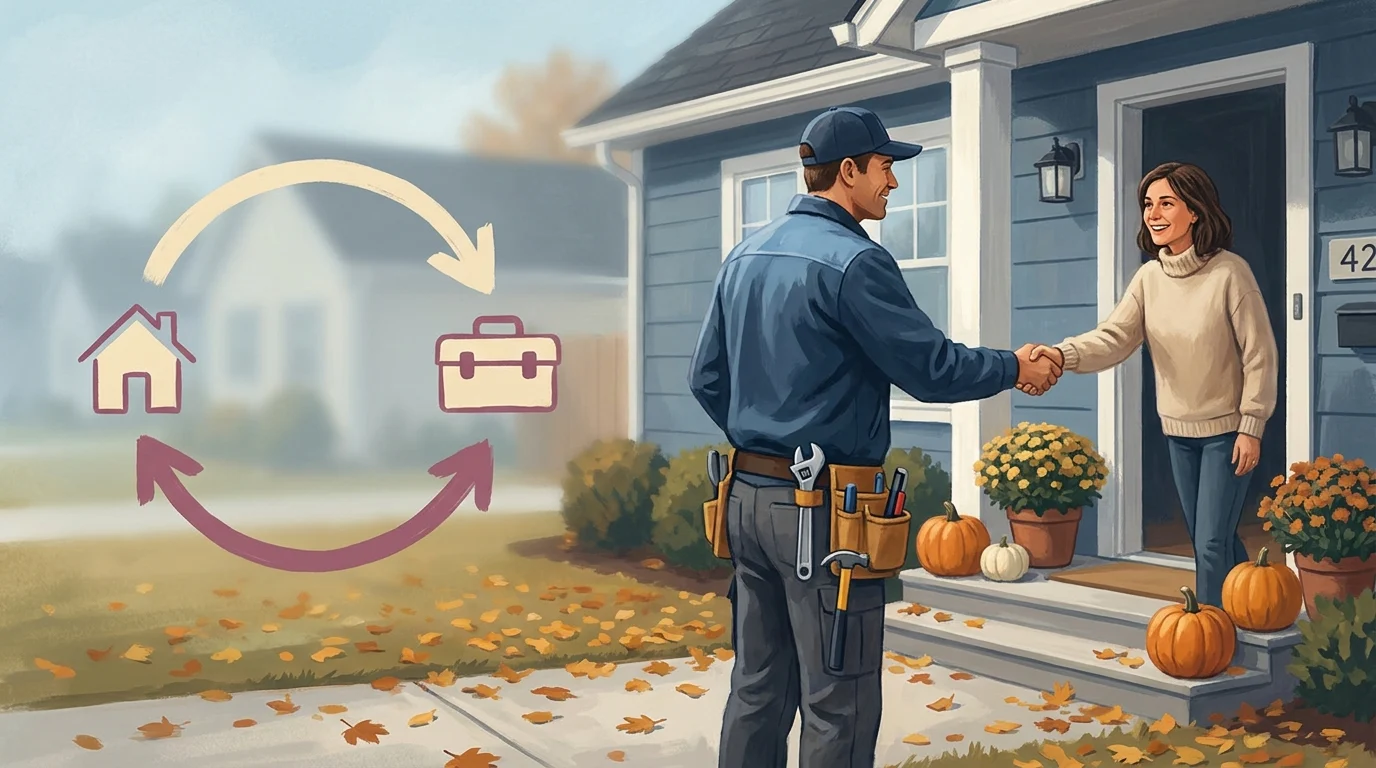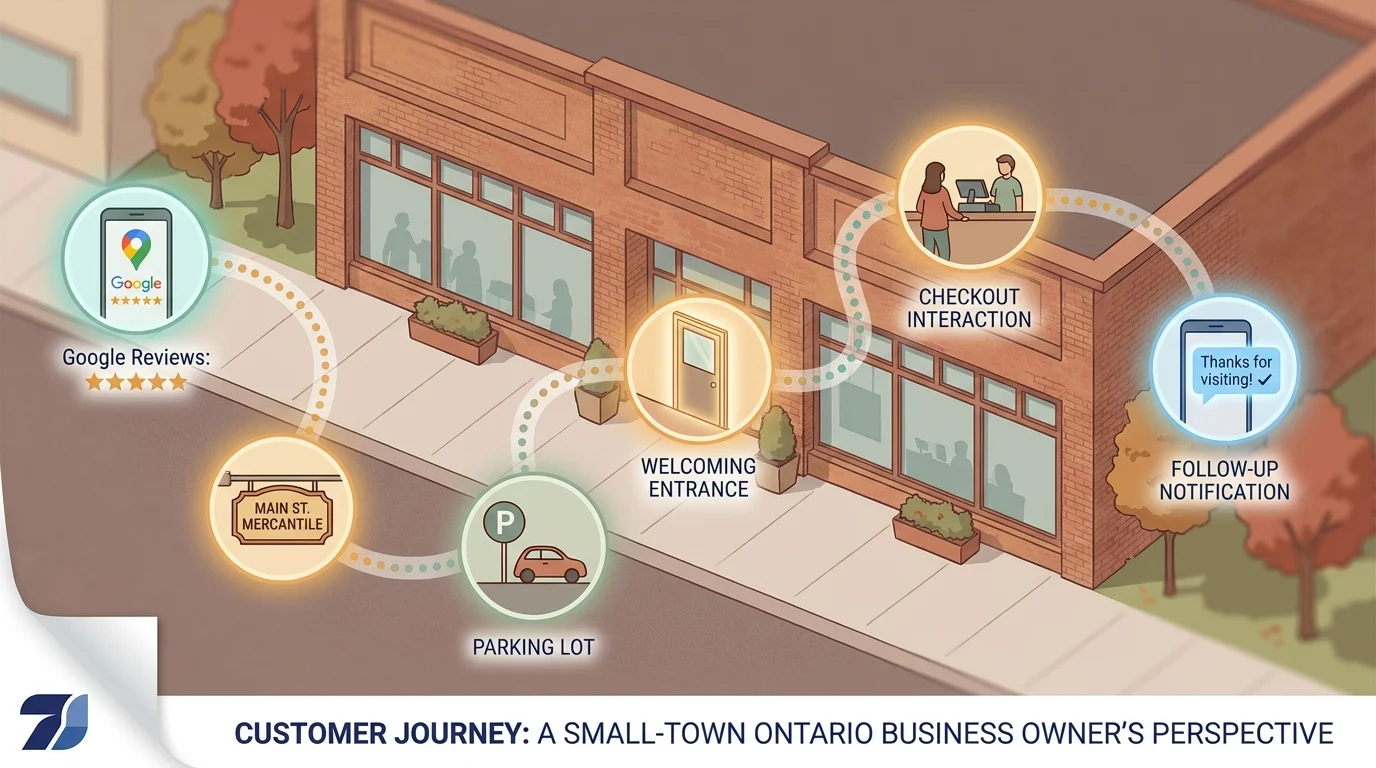

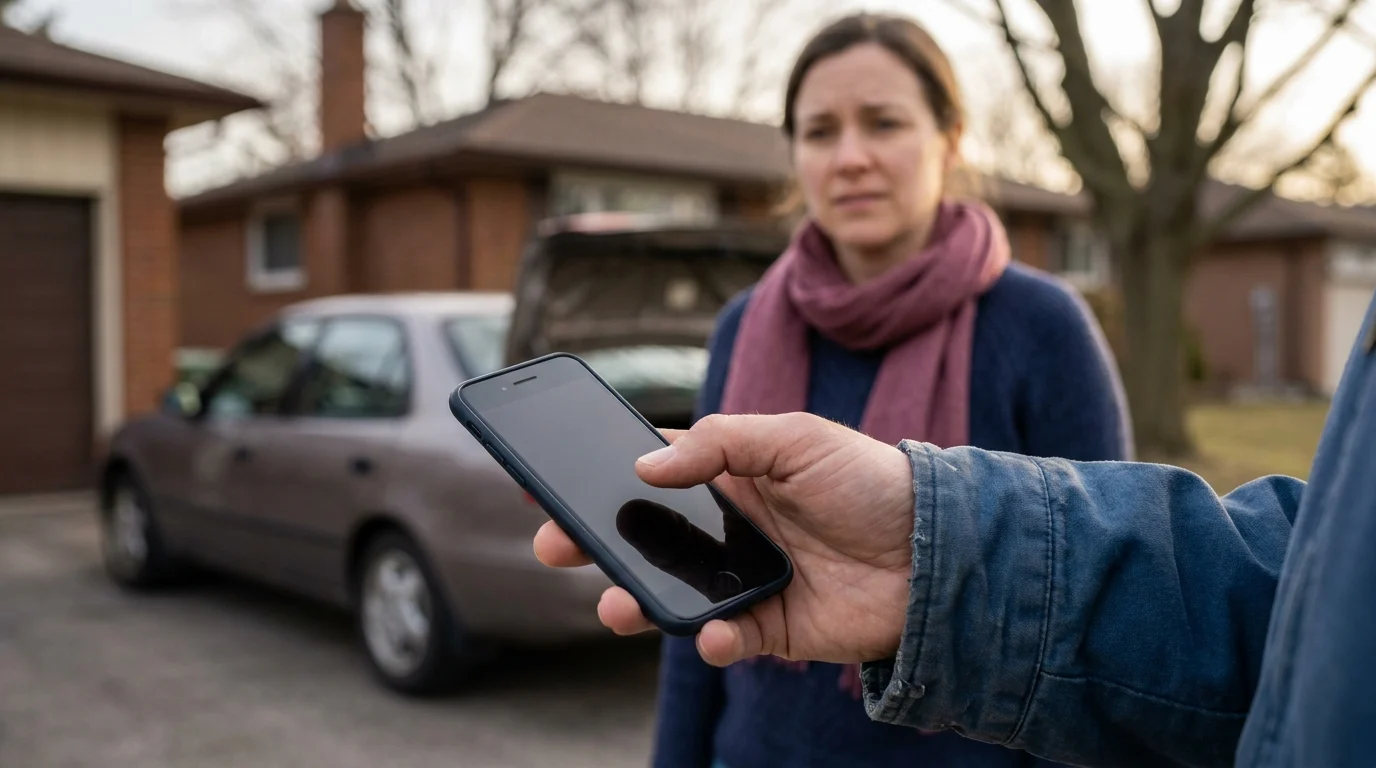
Your phone isn’t ringing as much as it should, but your website traffic looks fine. The gap between those two numbers isn’t a mystery. It’s a customer standing at the decision stage, thumb hovering over the call button, running through a private checklist you never get to see. Every local business owner in Kingsville, Ontario and the Windsor-Essex Region has felt this: the quote requests that never come, the “just looking” visitors who vanish. That silence isn’t apathy. It’s friction, and it’s happening in the customer’s head before they ever dial. Understanding what they’re actually thinking is the first step to closing that gap.
Inside the Customer’s Head: The Silent Objections at the Decision Stage
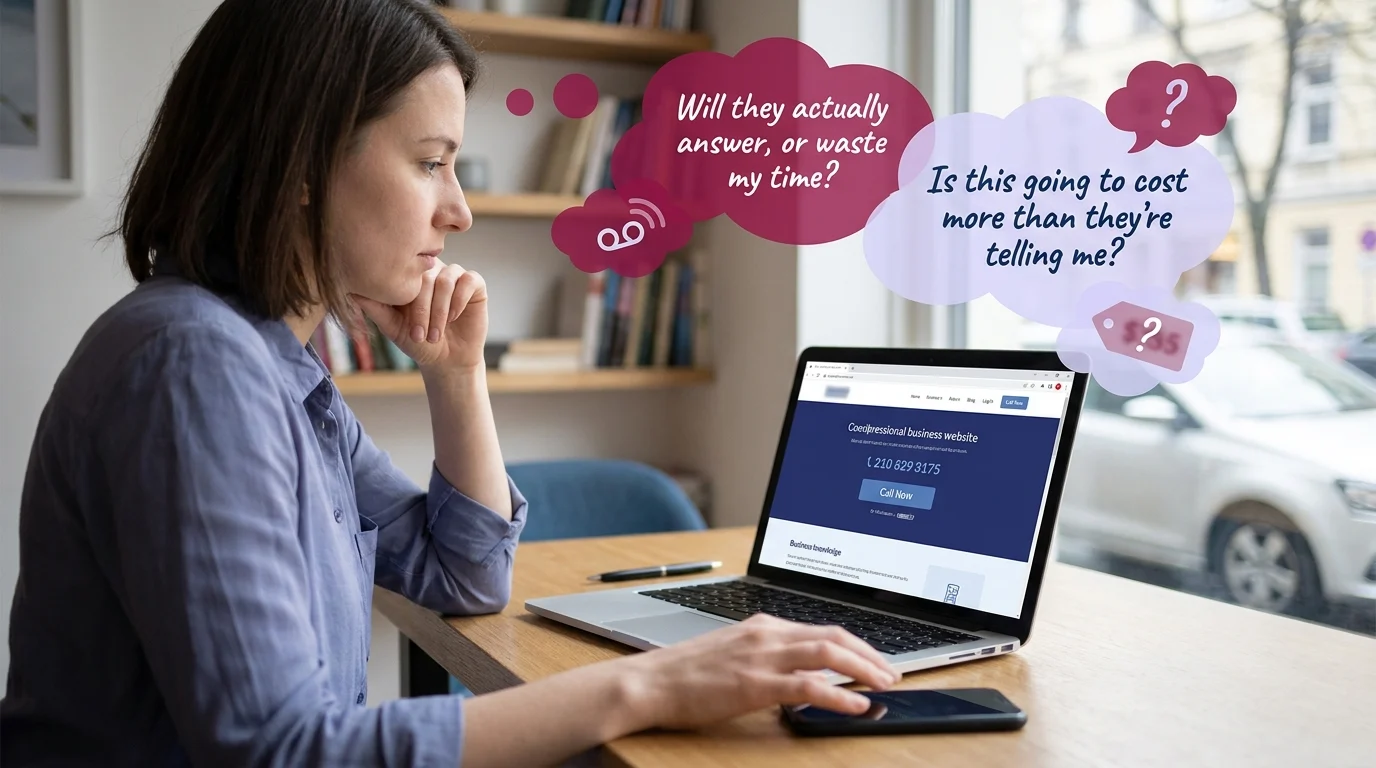
By the time someone reaches your website or Google listing, they’ve already decided they have a problem worth solving. What they haven’t decided is whether you’re the safe choice to solve it. That hesitation plays out as a handful of specific, unspoken questions.
“Will they actually answer, or waste my time?”
Customers have been burned by voicemail loops and unanswered inquiry forms before. Before calling, they’re quietly asking whether this business picks up, replies, and follows through, or whether they’re about to lose twenty minutes for nothing.
“Is this going to cost more than they’re telling me?”
Vague pricing reads as risk. Without a range, a starting price, or even a sense of how quotes work, customers assume the worst and stall rather than ask directly.
“Are they actually good, or just good at marketing?”
A polished website alone doesn’t settle this. Customers are looking for proof that other real people in the area had a good outcome, not just a claim that you’re the best.
“What happens if I don’t like the answer?”
Calling feels like commitment. Customers worry about being pressured into a sale, an upsell, or an awkward no once they’ve got a real person on the line.
None of these objections get voiced. They just show up as an abandoned tab and a call that never happens, which is exactly the customer decision stage local business friction that quietly caps growth for otherwise solid businesses across Windsor-Essex.
Trust Signals That Quietly Answer Those Objections
Every one of those silent objections has an answer, and it’s rarely a sales pitch. It’s proof, placed where the customer is already looking.
Reviews Do the Talking
A steady stream of recent Google reviews, ideally with specifics about what was fixed, installed, or delivered, tells a prospect that real people got real results. Volume matters less than recency. Ten reviews from the last six months beat fifty from three years ago.
Credentials Where They’re Visible
Licences, insurance, certifications, and years in business only work as trust signals if they’re easy to find. Buried on an “About” page three clicks deep, they might as well not exist. Front and centre, they quietly close the credibility gap before a phone even gets picked up.
Pricing Transparency
A published starting price, a typical range, or a plain explanation of how quotes are calculated does more to reduce hesitation than any discount ever will. It doesn’t need to be exact. It just needs to exist, so the customer isn’t calling blind.
Local Presence
A real address, a named owner, and a service area that matches where the customer actually lives all signal permanence. A business rooted in Kingsville, Ontario and the Windsor-Essex Region, with a team customers might run into at the grocery store, feels safer to call than a faceless number with no local footprint.
Stack these signals together and the unspoken questions start answering themselves before the customer ever dials.
Removing the Friction Points That Delay or Kill the Call
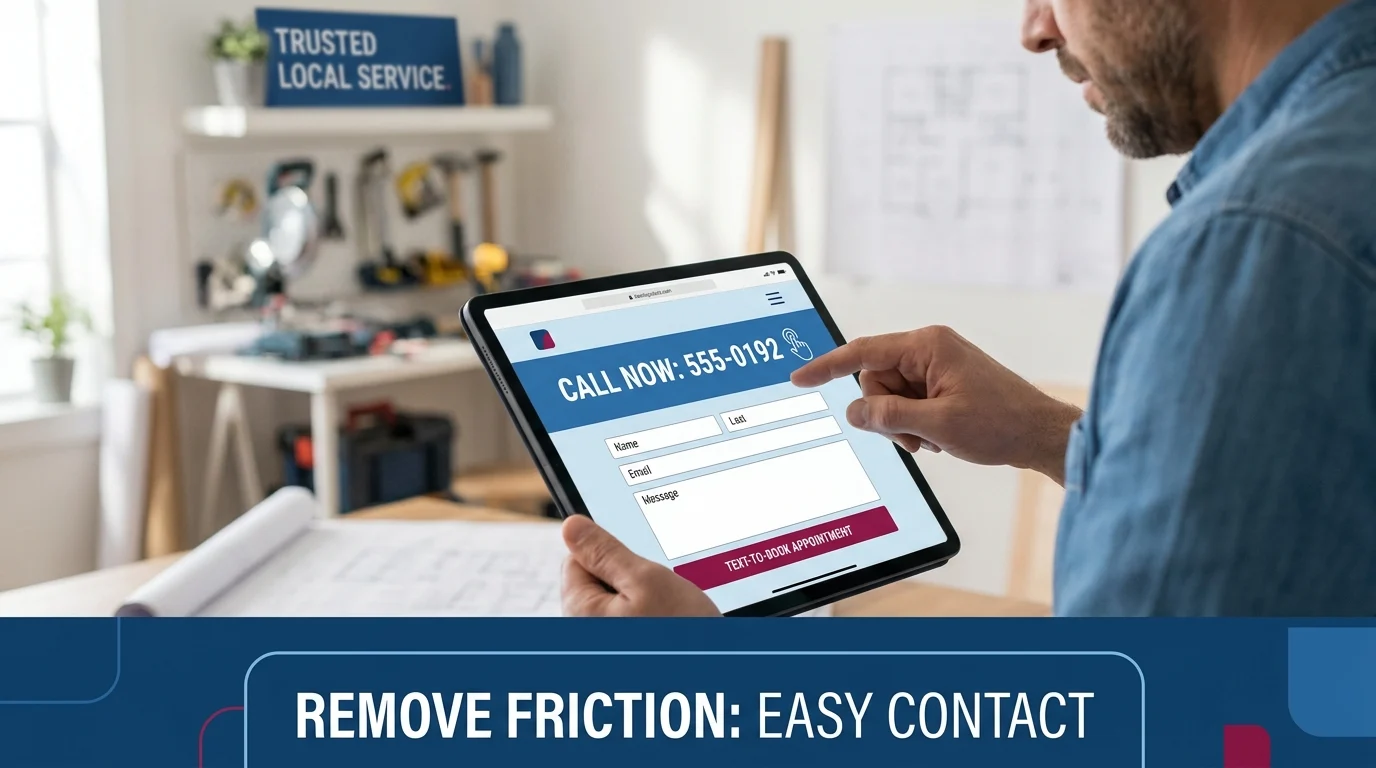
Trust signals answer the mental objections. But even a convinced customer will stall if the actual mechanics of contacting the business are clunky. Friction at this stage isn’t emotional, it’s practical, and it’s fixable.
Make the Phone Number Impossible to Miss
The number should appear in the header on every page, tap-to-call on mobile, and repeated near any pricing or service information. If a customer has to hunt for it, some percentage will simply close the tab instead.
Give an Alternative to Calling
Not everyone wants to talk. A simple contact form, text-to-book option, or online scheduler catches the customers who’d rather avoid a live conversation entirely, especially outside business hours when the office is closed but the hesitation isn’t.
Set Expectations Before They Dial
A short line like “we typically respond within one business hour” or “our office is open until 6pm” removes the guesswork. Customers aren’t afraid to call. They’re afraid of calling into a void.
Fix the Mobile Experience First
Most of this decision-stage browsing happens on a phone, often standing in a driveway or kitchen. Slow load times, tiny buttons, and forms that don’t fit the screen all add seconds of doubt to a decision that was already fragile.
None of these fixes require a rebuild. They require noticing where a hesitant customer would quietly give up, and closing that gap before they do.
Key Takeaways
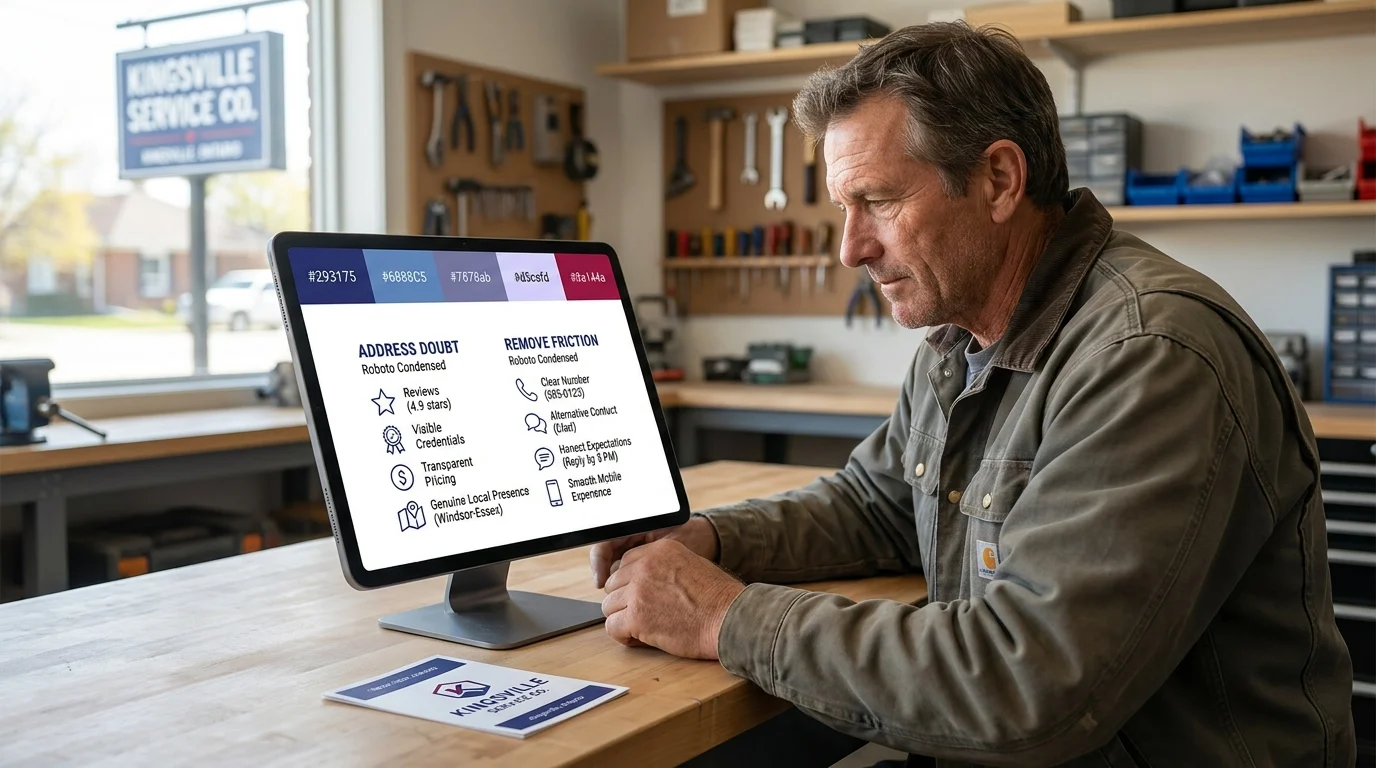
The call a business never gets rarely comes down to price or quality. It comes down to unanswered doubt and small, avoidable friction. Reviews, visible credentials, transparent pricing, and a genuine local presence answer the doubt. A clear number, an alternative contact method, honest response expectations, and a smooth mobile experience remove the friction. Service businesses across Kingsville, Ontario and the Windsor-Essex Region that address both sides of this equation don’t just generate more leads. They stop losing the customers who already wanted to say yes.
Paul Hughes founded Doorways Into Your Business after more than five decades consulting across 30+ countries, from implementing early IBM email systems in the 1980s to running multi-million-dollar IT projects for global organizations. A St. Clair College graduate (1976), he settled in Kingsville, Ontario in 2019 to help local small businesses grow with practical “smart digital doorways”, websites, customer service, reviews, bookings, and payments, matched to what a business needs, not unnecessary technology.
All articles by Paul →